GTA 6 Leaks Roundup: Everything Claimed So Far vs What Rockstar Has Actually Confirmed
Unverified rumour: This article contains speculation and unconfirmed leaks. It is not sourced from official Rockstar Games communications. For confirmed facts, see our News section.
Few games in history have generated as much speculation as Grand Theft Auto VI. Since Rockstar Games broke a decade of silence with its first official trailer, the internet has produced an avalanche of claims: map sizes, character arcs, mission structures, release windows, and feature lists — most of it circulating without a single verifiable source behind it.
This roundup does something the rumour mill rarely does. It separates the small pile of things Rockstar has actually stated on the record from the far larger pile of things the community has assumed, inferred, or invented. If you only read one GTA 6 article before launch, make it one that tells you which is which.
Why the distinction matters more than the rumours themselves
Every major release goes through a phase where anticipation outruns information. GTA 6 is an extreme case because the gap between announcement and release has been unusually long, and because the franchise carries enormous cultural weight. That combination creates a vacuum, and vacuums get filled.
The problem is that unverified claims don't stay labelled as unverified. A speculative post gets screenshotted, the screenshot gets reposted without context, an aggregator writes it up as "reports suggest," and within a week a guess has been laundered into an apparent fact. By the time the game ships, players arrive with expectations built on things nobody at Rockstar ever said.
Treating rumours as entertainment rather than information is the healthiest way to follow a release this size.
What Rockstar has actually confirmed
The confirmed list is genuinely short, and that is the point.
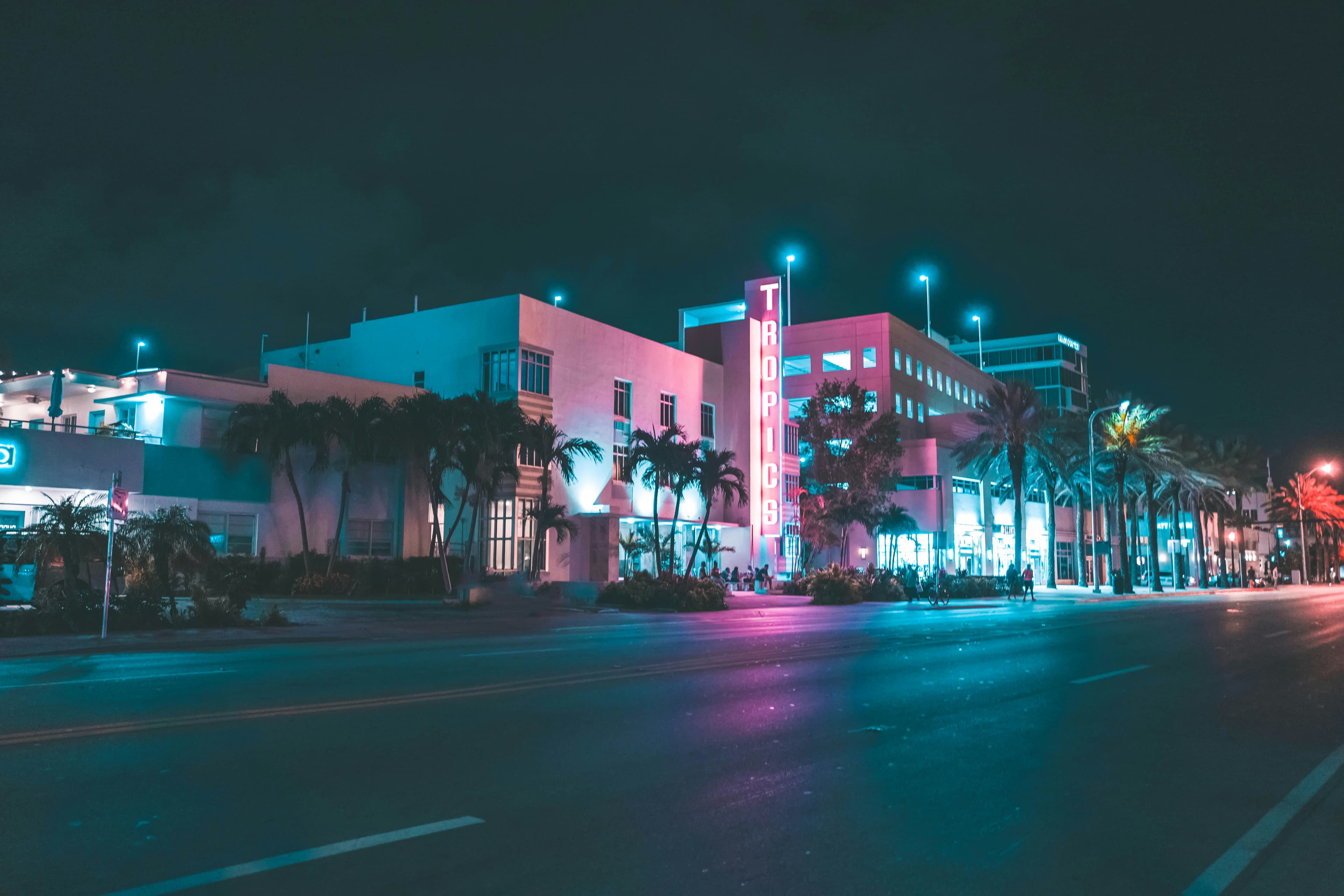
The setting is the state of Leonida. Rockstar's own marketing materials place the game in a fictional state modelled on Florida, with Vice City as its centrepiece. This is not a leak or a deduction — it comes directly from official trailers and Rockstar's website.
Vice City returns. The city has appeared in the franchise before, and Rockstar has explicitly confirmed its return in a modern, substantially expanded form. Beyond that, official statements about the map have been deliberately vague.
There are two lead characters, Lucia and Jason. Rockstar has named both and shown them together in official footage. Their partnership is presented as central to the narrative. What Rockstar has not done is publish a detailed synopsis, explain how the story resolves, or confirm how switching between them works mechanically.
The tone leans into modern Florida. Official trailer footage is saturated with contemporary references — social media culture, influencer excess, and the specific visual language of the Gulf Coast. This is a stylistic direction Rockstar has openly leaned into.
Release timing has been communicated through official channels only. Rockstar has issued its own statements about the launch window and platforms. Any date circulating that did not come from Rockstar's newswire, official social accounts, or a publisher earnings statement should be treated as invented until proven otherwise.
That's essentially the confirmed list. Everything else in circulation falls into the next category.
What remains unverified
Map size claims. Numbers get thrown around constantly — square kilometres, comparisons to previous entries, claims about explorable regions. Rockstar has never published a map size figure for GTA 6. Every number you have seen is either an estimate derived from trailer footage or pure fabrication.
Detailed story beats. Claims about how the narrative unfolds, which characters betray whom, or how the game ends are not sourced from anything Rockstar has released. Trailers are marketing assets, edited specifically to imply more than they reveal.
Feature lists. Property ownership systems, business mechanics, interior counts, vehicle totals, wildlife behaviour, weather systems, progression structures — these appear in circulated "leak" lists with impressive specificity. Specificity is not the same as credibility. A detailed claim from an unnamed source is still an unnamed source.
Retailer listings and store pages. Platform storefronts and online retailers frequently publish placeholder text, auto-generated feature bullets, and estimated dates. These are database artefacts, not announcements. They have been wrong for essentially every major release of the past decade.
Anything derived from unauthorised material. Some of the most widely shared claims trace back to material that was never meant to be public. Beyond the ethical problem, this material is often outdated by years — development builds change enormously — meaning even accurate-at-the-time information can be actively misleading about the shipped product.
How to read a GTA 6 rumour
A few practical filters will catch most bad information before it reaches you.
Trace the source, not the post. If a claim cannot be followed back to Rockstar, Take-Two, or a named journalist with an editorial standard to uphold, it is speculation. "A user on a forum said" is not sourcing.
Watch for unfalsifiable claims. Rumours that can't be checked until launch day are the safest kind to invent, which is exactly why so many of them exist.
Be sceptical of convenient timing. Leaks that appear immediately after an official announcement are frequently reverse-engineered from the announcement itself, dressed up as prior knowledge.
Distrust perfect detail. Real information from real production environments is fragmentary and confusing. Clean, well-organised bullet-point lists of features are a hallmark of fabrication.
Remember that development is not static. Even genuine information from an internal build describes a snapshot. Features get cut, reworked, and rebuilt. A true statement about a build from two years ago can be entirely false about the finished game.
Where this leaves us
The honest summary of the GTA 6 information landscape is this: we know the setting, we know the leads, we know the tone, and we know what Rockstar has officially said about timing. Everything beyond that is, at best, informed inference.
That may feel unsatisfying, but it is also the most accurate position available — and it happens to be the position that leads to the best experience at launch. Players who arrive with a checklist of rumoured features are set up for disappointment no matter how good the game is. Players who arrive knowing only what Rockstar chose to show get to be surprised.
Rockstar has historically preferred to control its own reveals, releasing information in deliberate, well-produced instalments rather than through drip-fed detail. That pattern is likely to continue. When genuine news arrives, it will arrive loudly, through official channels, and it will not require anyone to squint at a blurry screenshot to interpret it.
Until then, the most useful thing any GTA 6 coverage can do is be clear about what it doesn't know.
The bottom line
Treat the confirmed list as fact. Treat everything else as fan speculation — enjoyable to read, worthless as a basis for expectations. When something genuinely new is announced, it will come from Rockstar directly, and you will not have to wonder whether it's real.